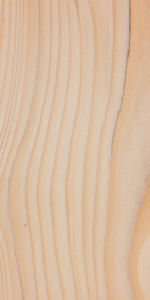
Silver Fir Wood
Species: Derived from Abies Alba (European Silver Fir). Origin: Native to Central and Southern Europe, particularly the Alps and Carpathians. Durability: Moderate – not highly resistant to decay or insects;

Species: Derived from Abies Alba (European Silver Fir). Origin: Native to Central and Southern Europe, particularly the Alps and Carpathians. Durability: Moderate – not highly resistant to decay or insects;
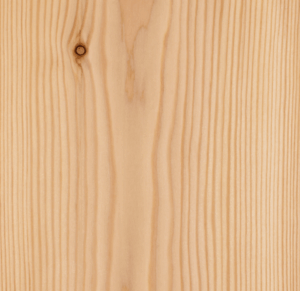
Species: Derived from Larix Sibirica. Origin: Native to Northern Russia and Siberia (cold climate regions). Durability: High – naturally resistant to decay, insects, and moisture. Highlights: Very dense, strong, and
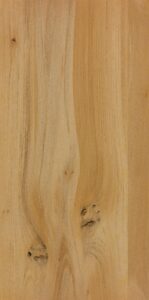
Species: Derived from Agathis Australis. Origin: Native to New Zealand. Durability: Moderately durable; resistant to decay but not as hard as many tropical hardwoods. Highlights: Ancient wood (some swamp kauri
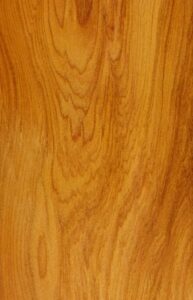
Species: Primarily refers to European Yew (Taxus baccata), with other species including Pacific Yew (Taxus brevifolia) and various regional Taxus species. Origin: European Yew is native to Europe, North Africa,
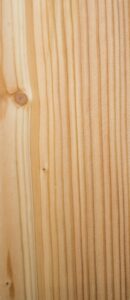
Species: Primarily refers to European Larch (Larix decidua), with other commercial species including Siberian Larch (Larix sibirica) and Western Larch (Larix occidentalis). Origin: European and Siberian Larch are native to
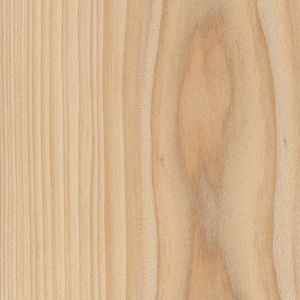
Species: Most commonly refers to Bald Cypress (Taxodium distichum), while other regional cypress species like Mediterranean and Australian Cypress share similar properties but vary by location. Origin: Native to the
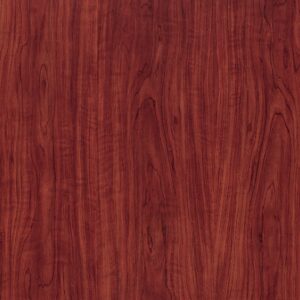
Species: Derived from Sequoia Sempervirens (Coast Redwood). Origin: Coastal regions of northern California and southern Oregon (USA). Durability: High natural durability, heartwood is highly resistant to decay and insect damage
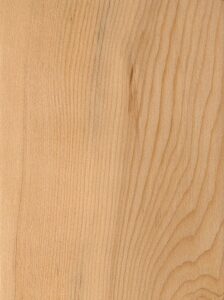
Species: Primarily refers to Western Hemlock (Tsuga heterophylla), while Eastern Hemlock (Tsuga canadensis) is less commonly used commercially. Origin: Western Hemlock: Pacific Northwest of North America (U.S. and Canada). Eastern
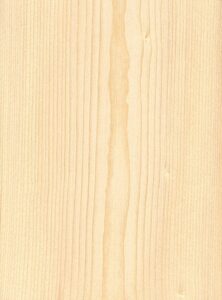
White Spruce Wood: Species: Derived from Picea Glauca. Origin: Northern North America, especially Canada, Alaska, Europe. Durability: Low to moderate natural durability, not naturally resistant to decay or insects; best
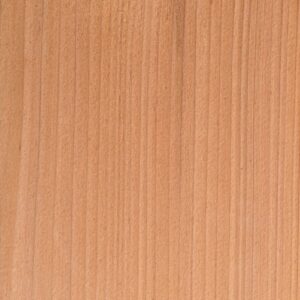
Species: Derived from Thuja Plicata Origin: Pacific Northwest of North America (Canada and the United States) Durability: High natural durability, excellent resistance to decay, rot, and insect damage due to
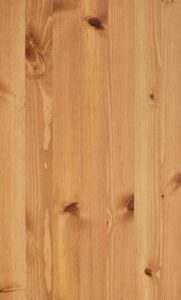
1. Southern Yellow Pine Wood (SYP): Species: Derived from Pinus Genus, primarily Pinus Palustris, Pinus Taeda, Pinus Elliottii, and Pinus Echinata. Origin: Southeastern United States. Durability: Moderately durable; naturally dense
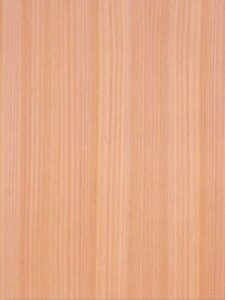
Species: Derived from Pseudotsuga Menziesii. Origin: North America (USA, Canada). Durability: Moderately durable; resistant to decay in dry conditions but less so when exposed to prolonged moisture without treatment. Highlights: