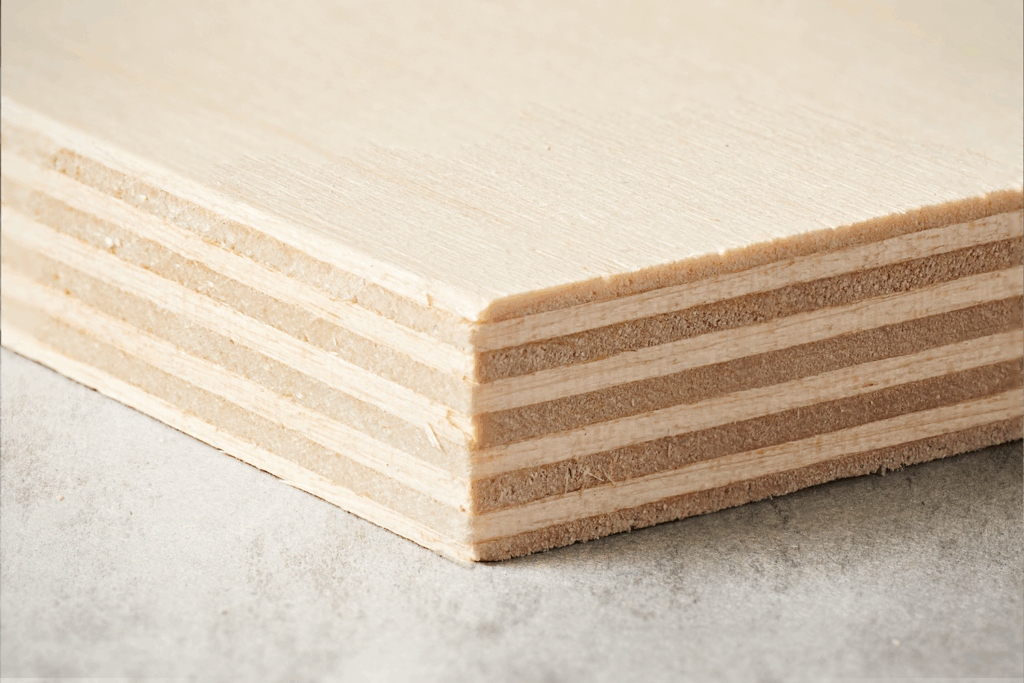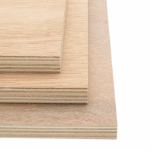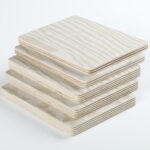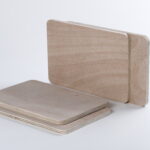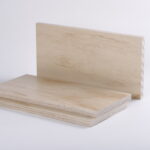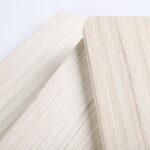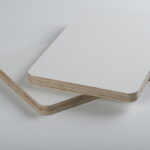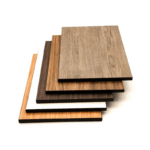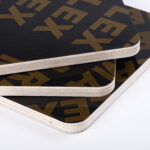
- Type: Made from thin layers (plies) of wood veneer glued together with alternating grain directions.
- Core Material: Softwood or hardwood veneers.
- Manufacturing: Thin wood veneers are cross-laminated with grains at 90° to each other, bonded with adhesives, and pressed under heat and pressure to form strong, stable panels available in grades like MR, BWR, and Marine plywood.
- Layers / Construction: Cross-laminated plies.
- Adhesive Type: Phenol-formaldehyde, Urea-formaldehyde.
- Thickness Range: Typically come in thicknesses ranging from (3 mm – 25 mm), with the most common sizes being (6, 9, 12, 15, 18, 25 mm). Specialty plywood panels can be made thinner (around 2 mm) for decorative or flexible applications, or thicker (up to 40 mm or more) for heavy-duty structural uses, but (3 – 25 mm) is the standard commercial range.
- Dimensions Available: 1220 × 2440 mm (Standard), 915 × 1830 mm, 1220 × 2135 mm, 1525 × 3050 mm, 1830 × 2440 mm, 1220 × 2745 mm.
- Density: ~500 – 700 kg/m³.
- Moisture Resistance (MR): High (exterior-grade available).
- MR Plywood: Uses moisture-resistant phenolic or melamine-based adhesives, making it more durable in humid or damp conditions compared to regular plywood and suitable for kitchens, bathrooms, and semi-outdoor structures.
- Fire Rating: Class C (can be treated to Class B or A).
- Formaldehyde Emissions: E1, E0, CARB II.
- Janka Hardness: Depends on face veneer (avg ~600 – 1000 lbf).
- Modulus of Elasticity (MOE): ~8000 – 11000 MPa.
- Modulus of Rupture (MOR): ~50 – 80 MPa.
- Dimensional Stability: Very good.
- Surface Finish: Raw, veneered, laminated.
- Color / Appearance: Varies by face veneer.
- Durability: Highly durable and much stronger than Particle Board or MDF, with quality and durability depending on grade and glue type, while marine-grade plywood offers excellent rot resistance.
- Mechanical Properties: High strength and impact resistance from its cross-laminated structure, excellent screw and nail holding capacity, and can be slightly bent or curved when thin.
- Stability: Excellent dimensional stability, resists warping, cracking, and shrinking better than solid wood.
- Water Resistant: MR grade Plywood is moisture resistant but not waterproof, BWR/BWP grade Plywood is resistant to boiling water, and marine Plywood is highly water-resistant, suitable for continuous wet conditions.
- Workability: Good.
- Screw Holding Strength: Excellent.
- Edge Integrity: Good, minimal chipping.
- Eco Certification: FSC, PEFC, CARB.
- Estimated Prices: Around ~US $300 – $900+ Per m3 / Final prices depend on raw material quality, board density and thickness, surface treatments, manufacturing technology, customization, regional costs, logistics, market demand, environmental standards, brand reputation, and order volume.
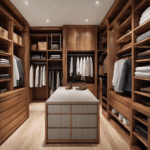
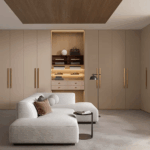
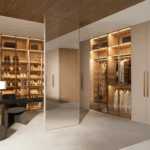
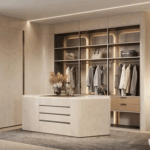
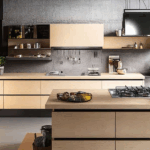
- Use Cases: Furniture such as tables, cabinets, wardrobes, and beds, as well as flooring and roofing underlayment, wall and ceiling paneling, doors and partitions, formwork and shuttering in construction, and boatbuilding and outdoor structures with marine plywood.